Exploring the Identity Labyrinth: Dev Dhunsi’s “Mixed”

A labyrinth unfolds, and Dev Dhunsi steps into it without seeking an exit. In Mixed, folklore, fashion, documentary and altered archives become shifting visual languages for an identity that refuses a single name.
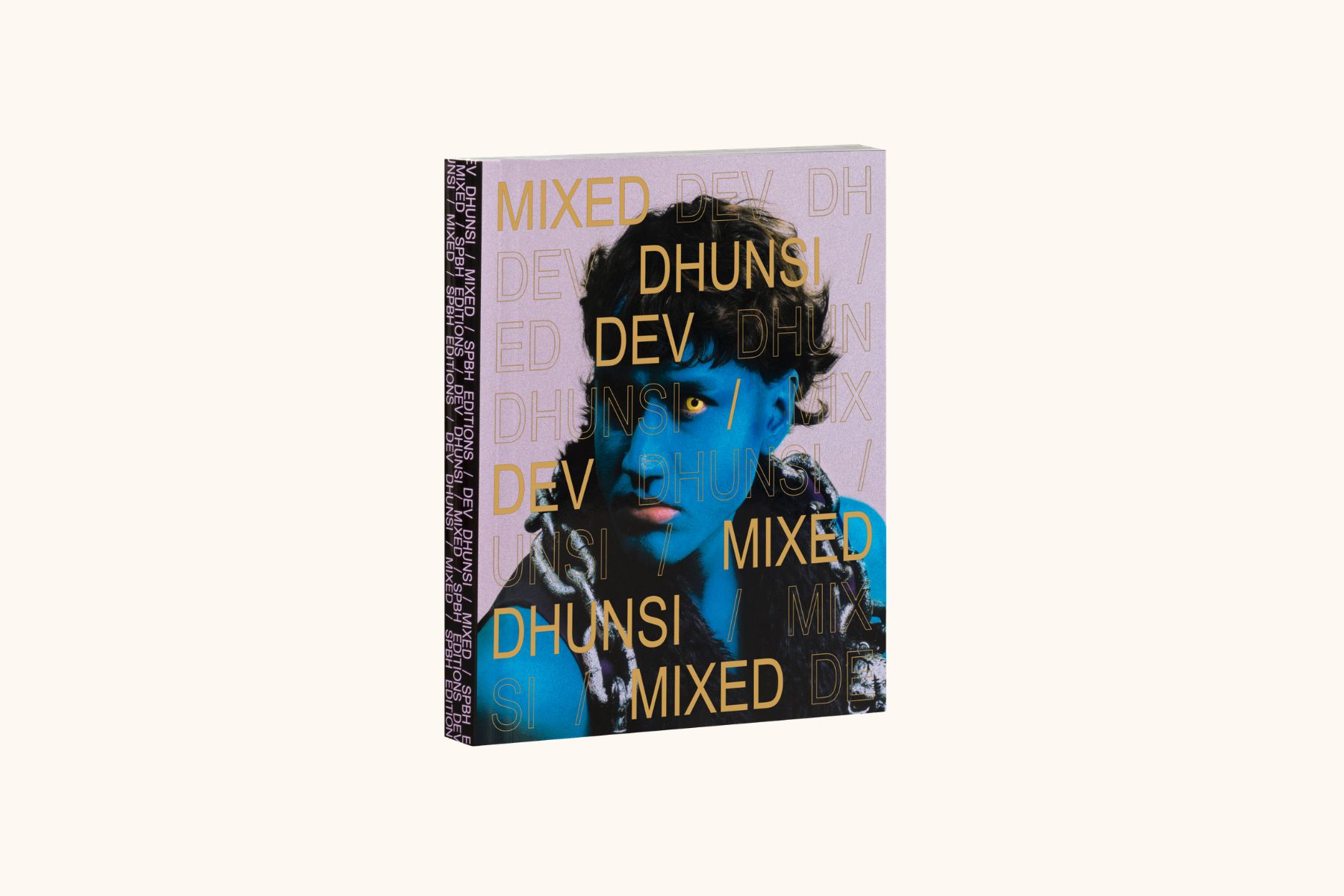
Mixed (SPBH Editions, 2026) by Dev Dhunsi published by MACK.

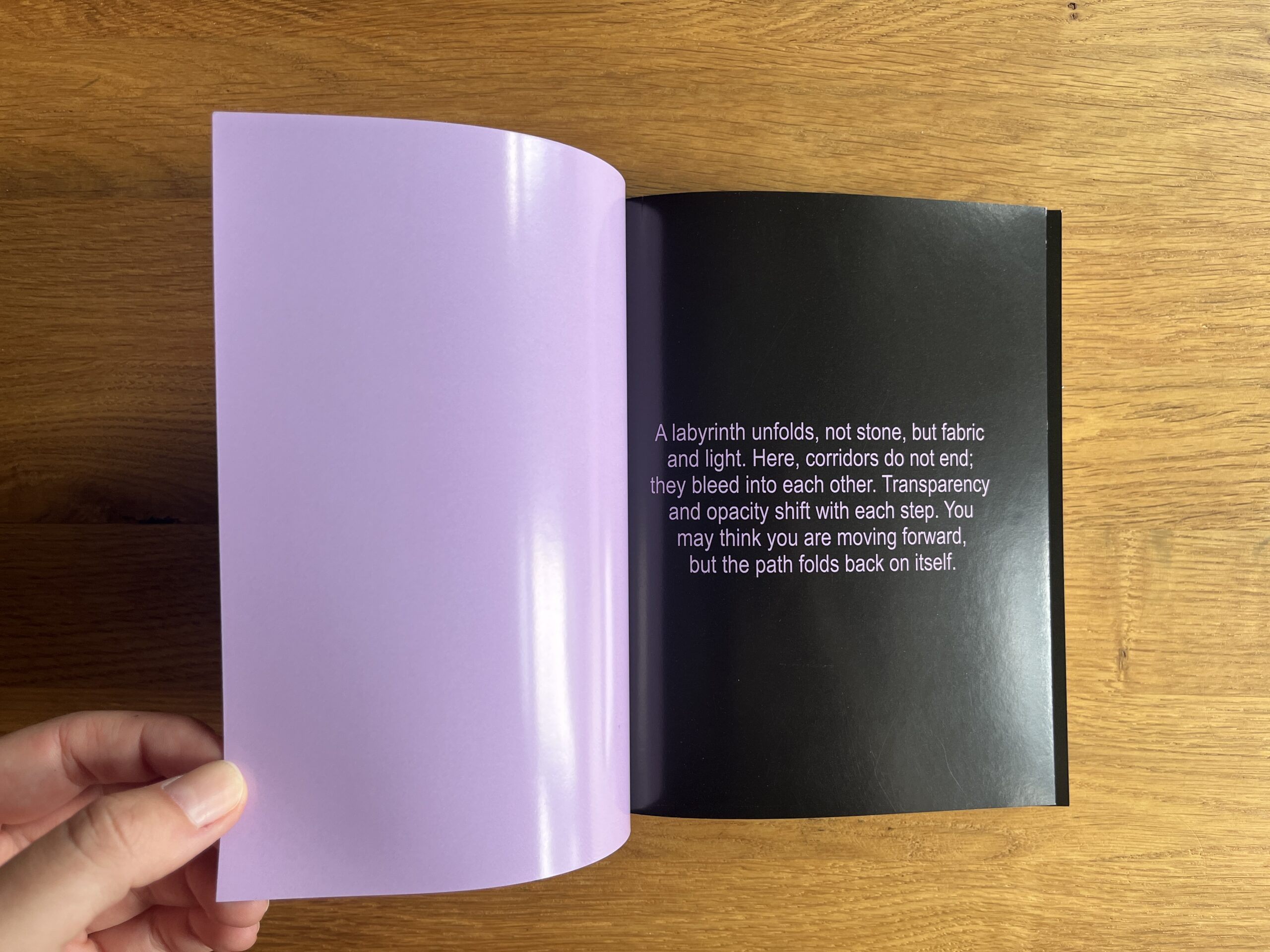
“A labyrinth unfolds” the book starts. And so it does. Like a prologue of a play of self-identity we’re about to witness. A journey through methods and meaning and Dev Dhunsi takes us on the trip with him.

Open spread from Dev Dhunsi’s Mixed, with a translucent lilac page covering opening text on a black page.

Publisher

MACK x Self Publish, Be Happy

Layout

OTA paperback
Metallic silkscreen printed shrinkwrap
14 × 17.5 cm, 304 pages

Price

$45.00

Dhunsi is Norwegian Indian, and Norwegian has no word for “mixed”. Rather than simply explaining the gap, he treats it as licence to keep switching tools: myth, staged fashion imagery, documentary, archive, each one another attempt to get at a word his own language doesn’t have.

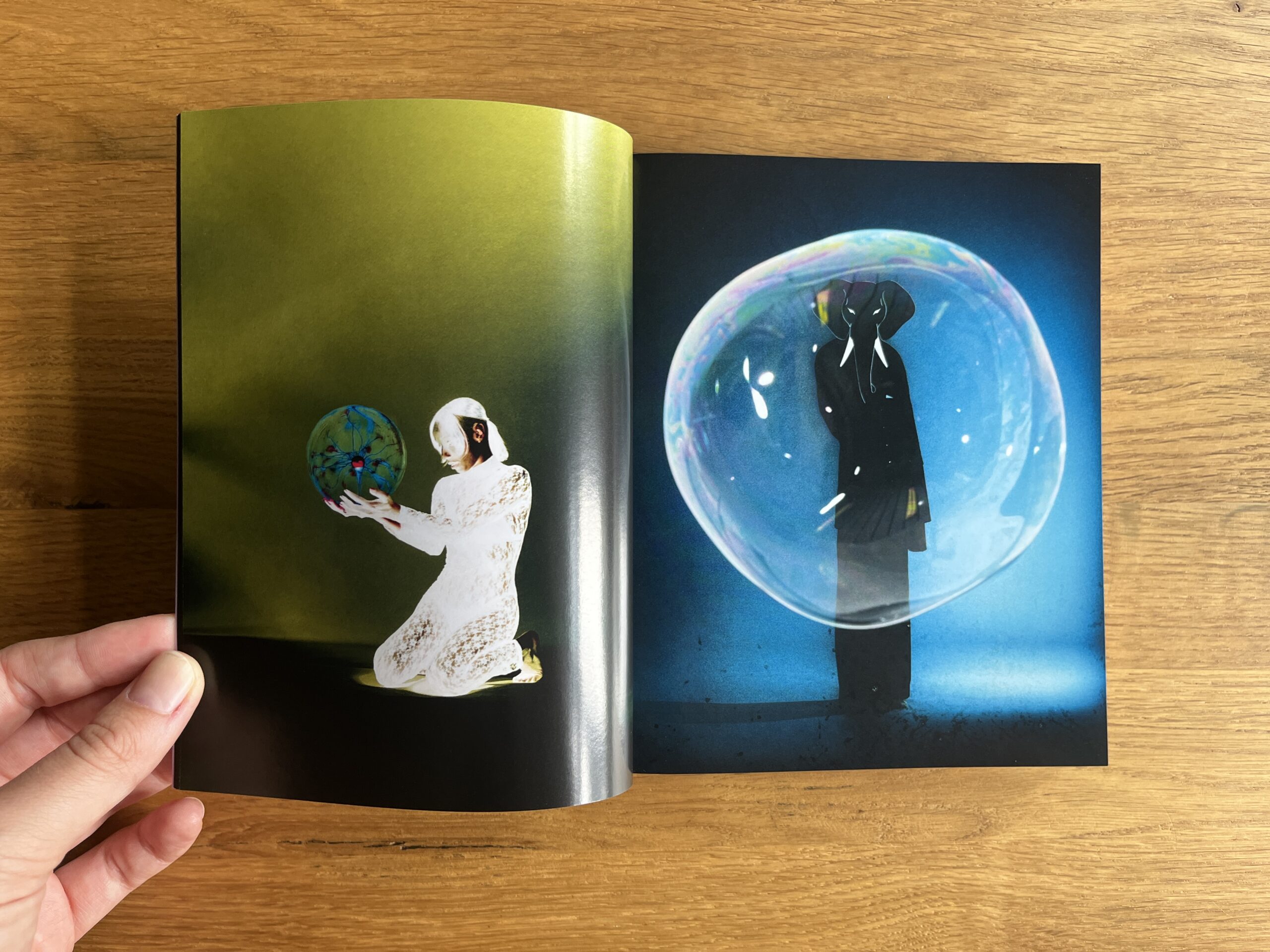
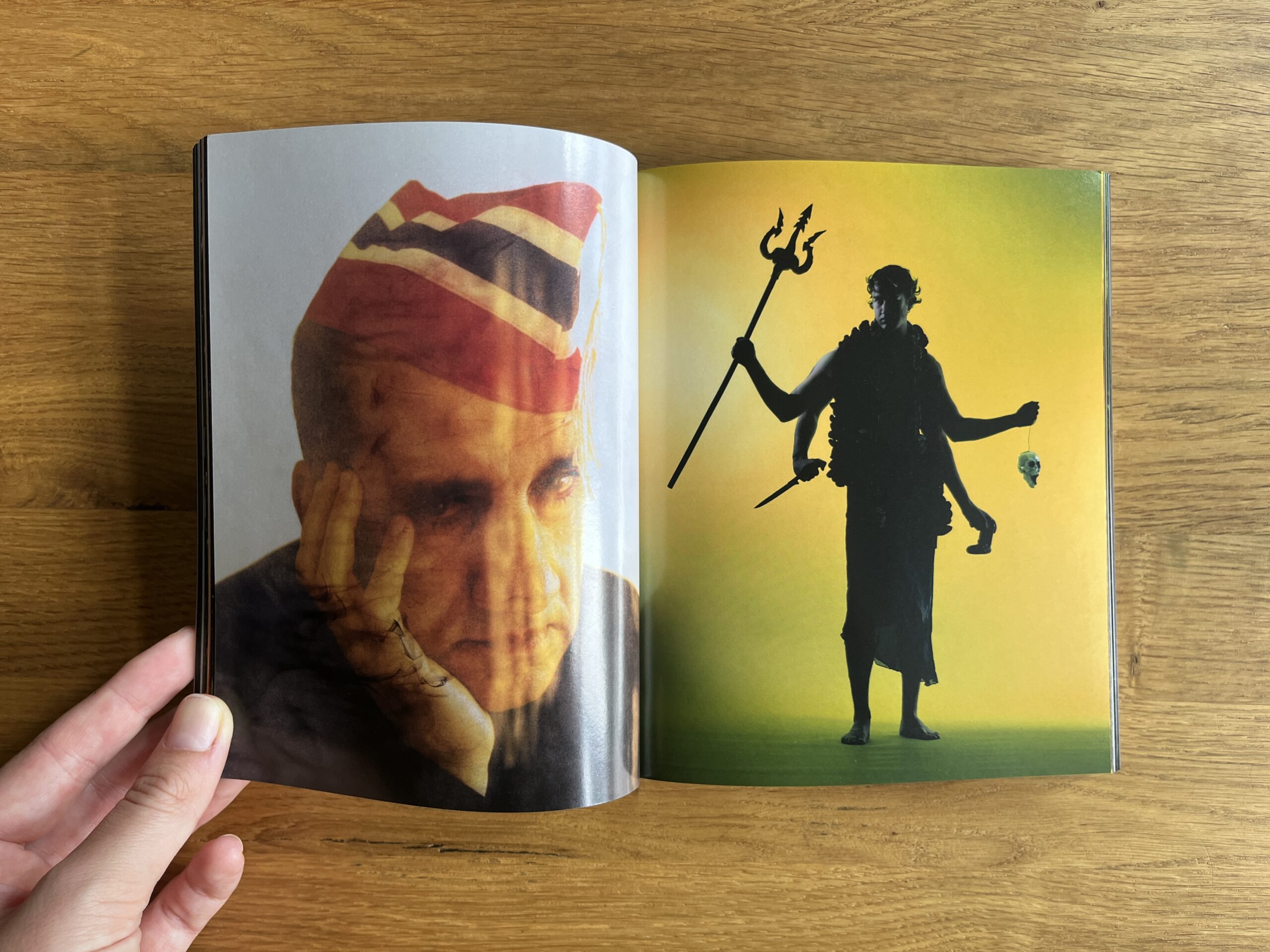
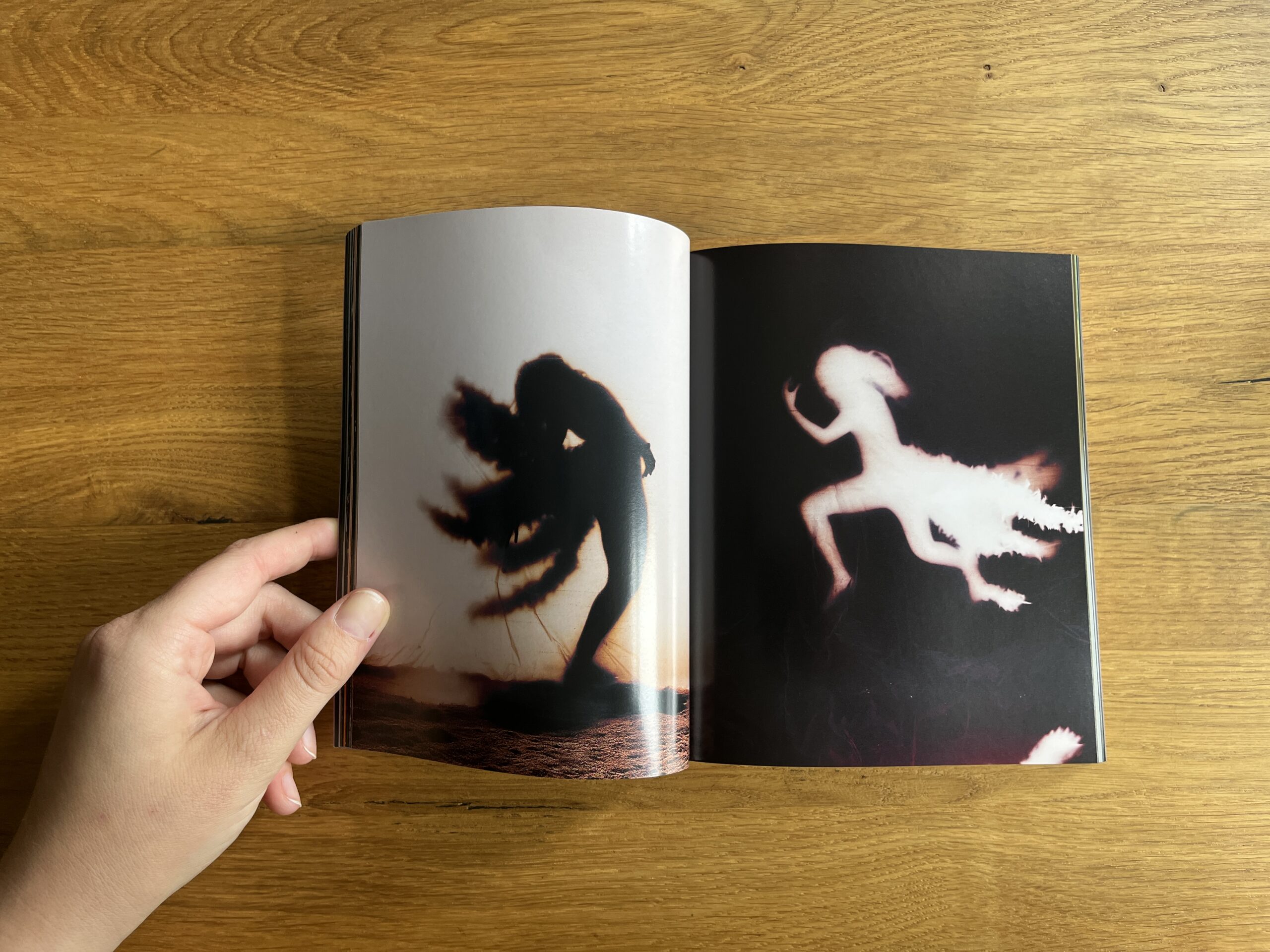
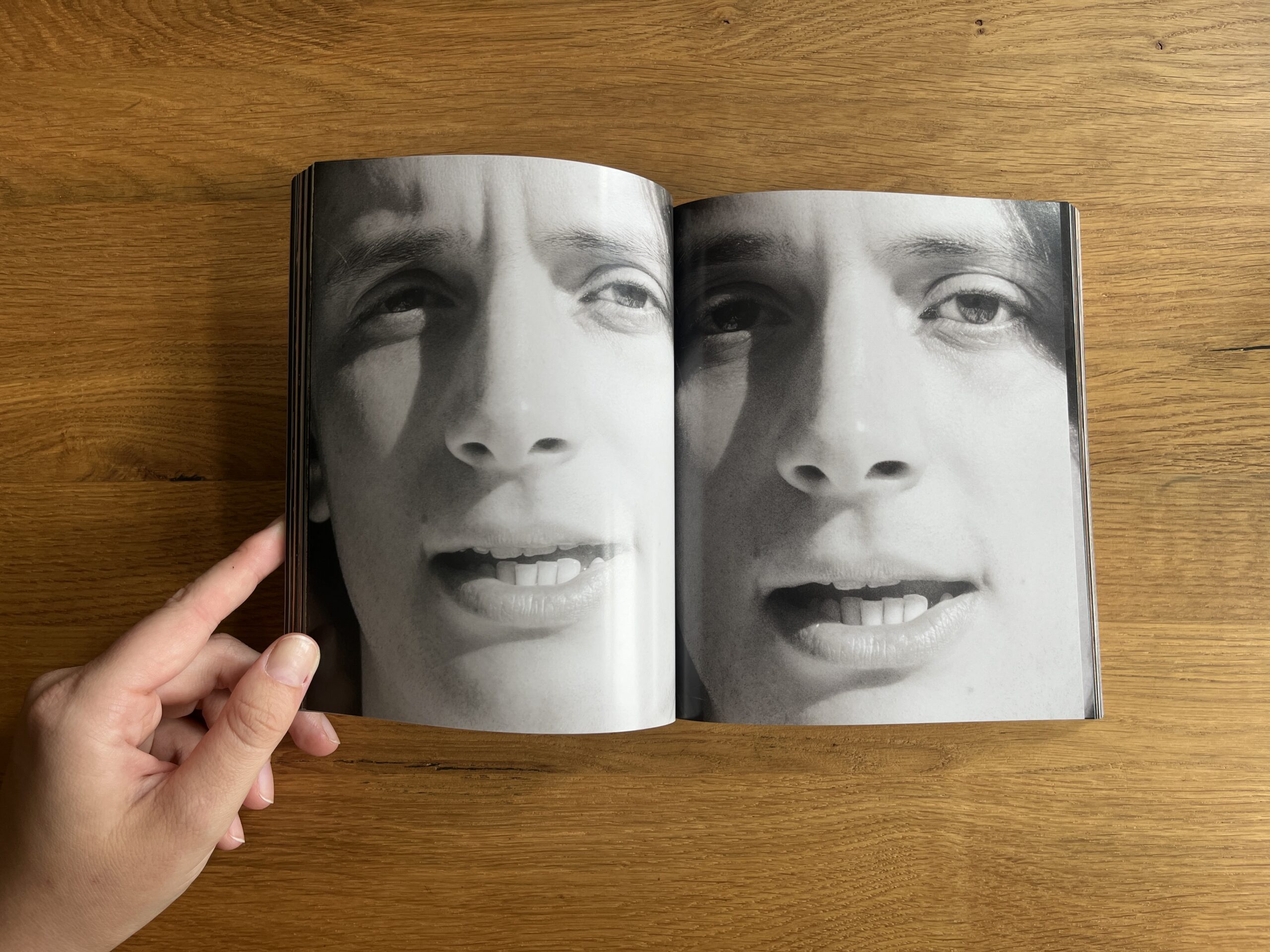
That refusal to settle is the book’s real subject. The opening images are disorientating and otherworldly, unsettling any trust in what we’re seeing before the story has properly begun. From there Dhunsi moves through fine art photography into a fashion idiom, breaks for text, then drops into a warmer documentary register, nature set against distorted analogue frames — as though no single genre could hold what he’s after. Staged self-portraits follow, saturated and theatrical, placing him inside Indian folklore rather than merely depicting it; identity here is performed into being, not recorded. Then come, what I’d call “the ghosts”, a magical, unresolved image language toying with the power of nature, seemingly placed in a void, echoing back to the otherworldly disorientation the book opened with.

Open spread from Mixed: a close-up portrait of a person in a striped head covering faces a silhouetted multi-armed figure holding a trident.
Open spread from Mixed with two blurred, ghostly figures in motion against bright (left) and dark (right) backgrounds.

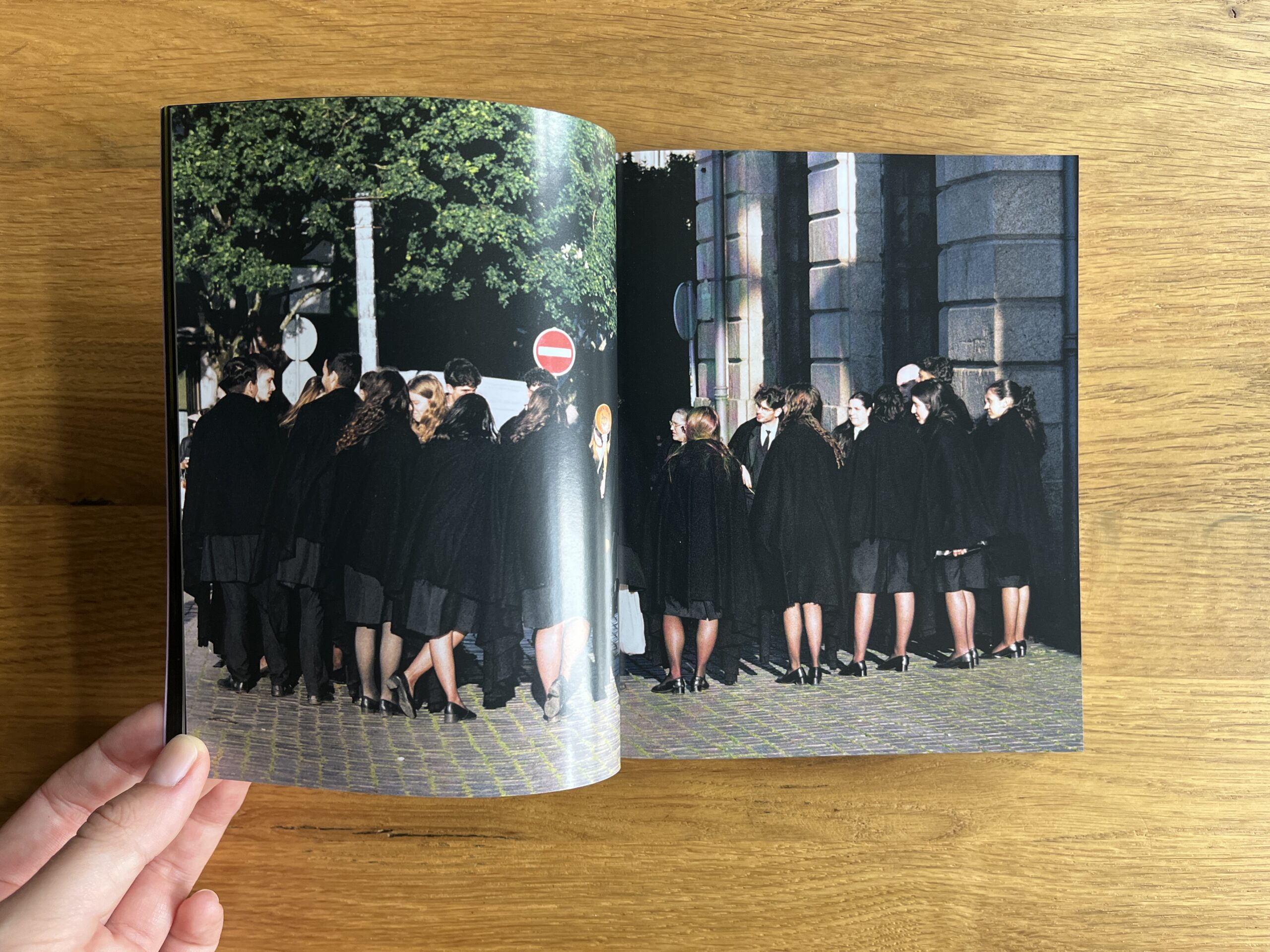
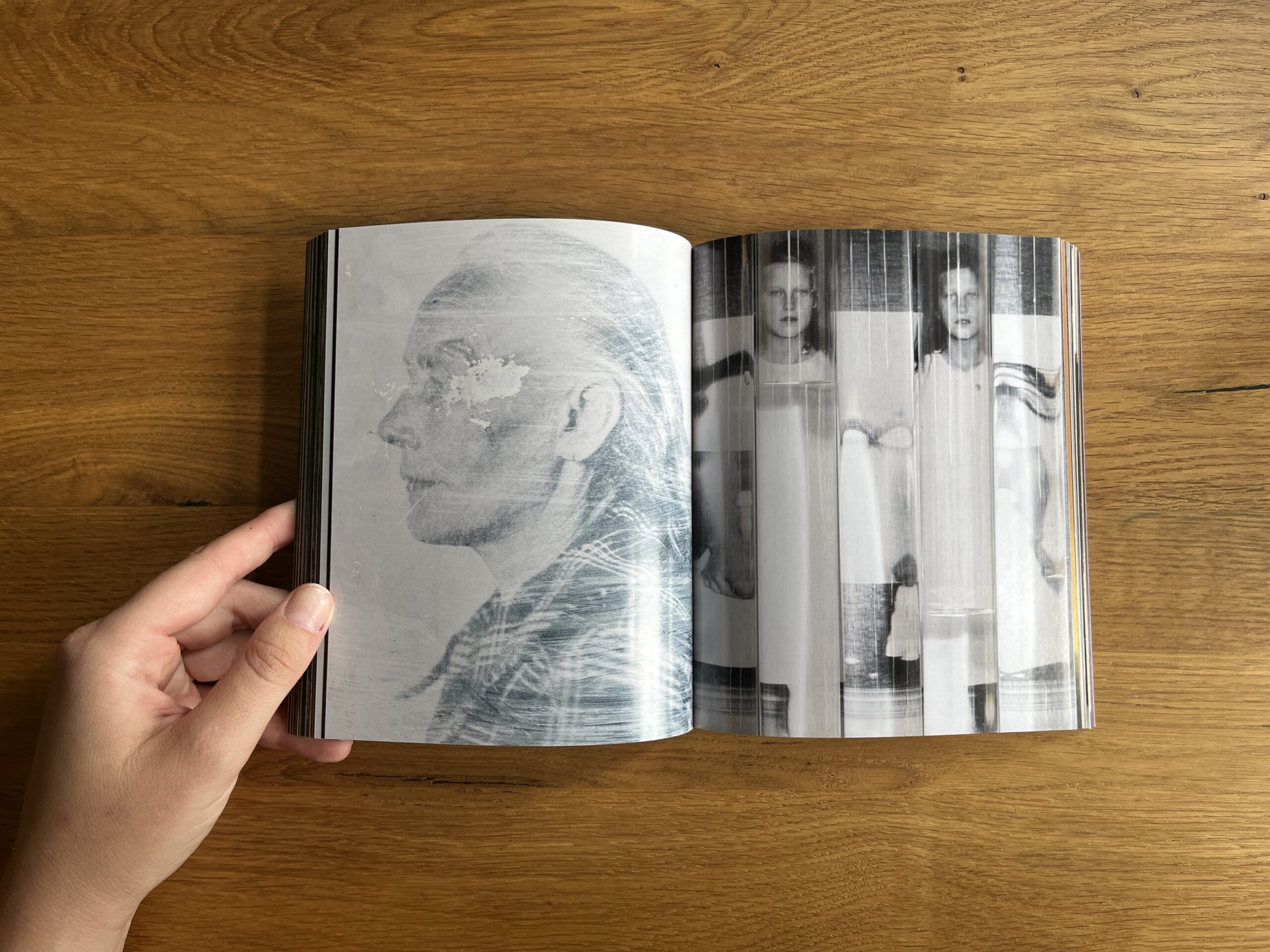
A starker, direct documentary sequence follows, then appropriated altered archival photographs, guided throughout by side notes on the blank pages, like stage directions to enhance your emotions for silent sound and image interplay. The archive closes on “DNA – Do Not Ask,” a title that reads less as information than as a refusal of it.

The book then folds its earlier languages back together around domestic life, friendship with a first proper mention of location – Oslo. After the ghosts return one last time: as if the search for identity as something graspable dissolves into nothing, and we’re pulled back into Dhunsi’s labyrinth. There’s no way out of it — only further in, deeper into the meaning of “mixed.”

Materially, the book keeps playing its own game of “mixed.” It’s small, close to diary-size, something you’d hold in one hand, almost private. But the paper’s thick and glossy, more like flicking through an old fashion magazine than reading a diary — that shiny, slightly heavy stock gives it weight, makes it feel like a proper pop-culture object rather than something scribbled just for yourself. That mix, small and personal but printed like a magazine, feels like part of the same idea running through the whole book: pushing two things together that aren’t supposed to sit in the same place, and somehow making it work.

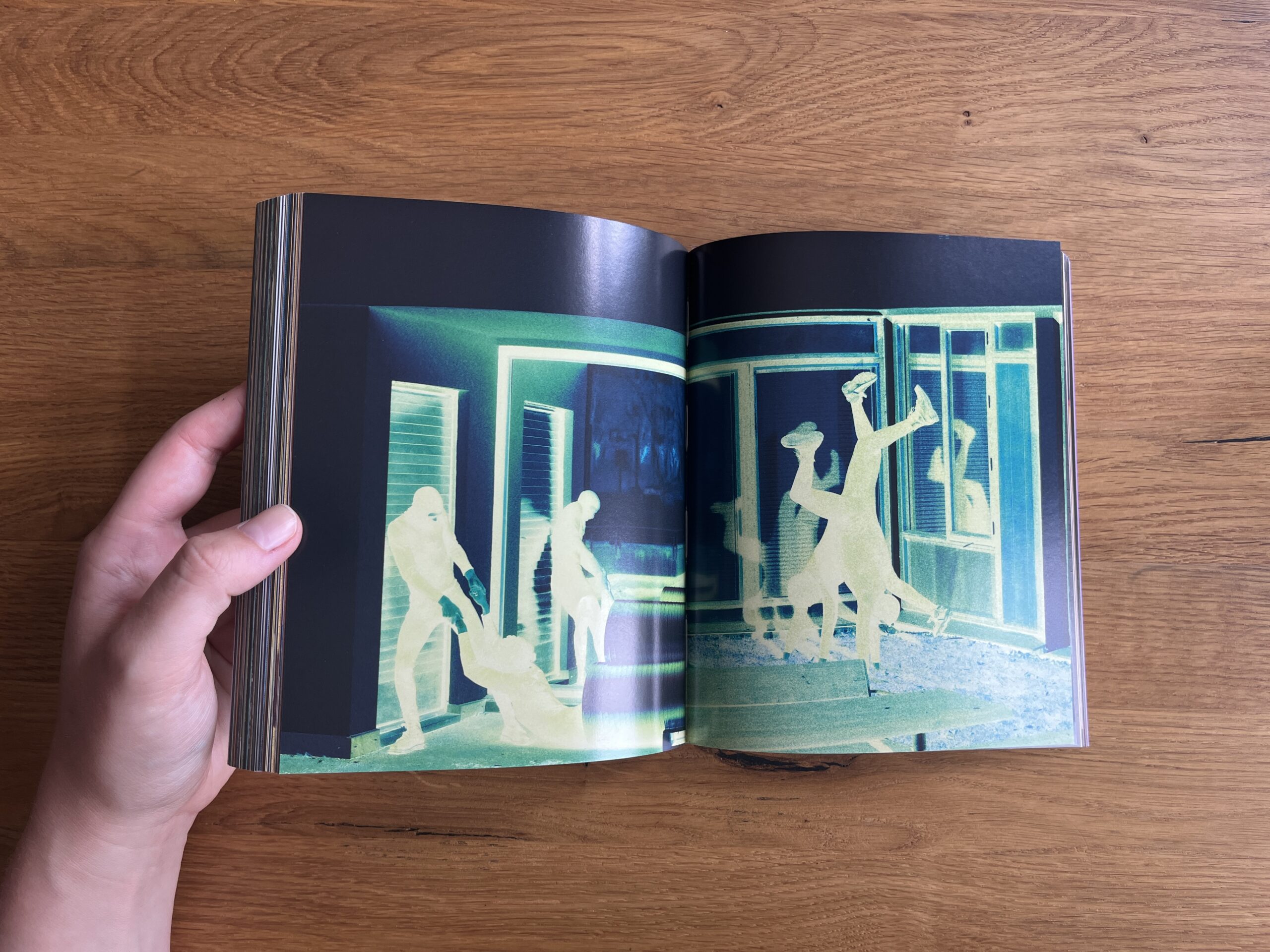
Open spread from Mixed showing an inverted-colour image of several figures moving outside a building.

Mixed is proof that images don’t all need to look the same to belong in the same book. Dhunsi, a mixed (this is actually what his bio says but it did make me chuckle) media artist, moves through fine art, fashion, documentary, staged portraiture and archive without the book ever losing its thread — each genre shift reads as a deliberate move within the story rather than a break from it. There’s something distinctly theatrical about that structure, the way it stages one identity through many different visual voices and lets them all sit convincingly together. Dhunsi’s work is an excellent  reminder that a photobook can hold real formal range and still make complete narrative sense, not even though, but because it explores a wide range of languages in a world where words won’t suffice as explanation.

Follow us on Instagram and never miss our reviews and releases again.

If you’d like to suggest a photobook for review or have published your own photobook, please let us know through the email below.

Related Articles

Why your photography projects should offer something more, and how bringing more of yourself into your work can give them a heartbeat of their own.
Great photography projects need more than technical skill. Learn how emotion, concept and personality can make your work stronger and more memorable.
Learn how to present your portfolio in digital client meetings, build trust on video calls, and turn online conversations into real photography assignments.