
You Are What You Do was one of the most anticipated books of 2025. So anticipated that the queue waiting for Arnold to sign copies at Paris Photo shut down a road in the city centre (allegedly).
I’m a bit of a tough crowd for this book, I’ll admit. It’s street photography in New York, shot on film (of course) sprinkled with some famous people here and there, photographed by the type of American man who succeeded on instagram when it was not yet seen as something cool, now on the border of being an influencer, leaving zine culture behind and rising, through a hardback photobook with a big publisher, to fine art. Phew thanks for sticking with me through that sentence. But maybe I’m wrong. I’m ready to be convinced otherwise. Let’s see.
Publisher
Loose Joints Publishing
Layout
Section-sewn landscape hardcover with dust jacket and mirrored sticker
275 x 225 mm, 184 pages, 124 colour plates
Price
€54.00
Link
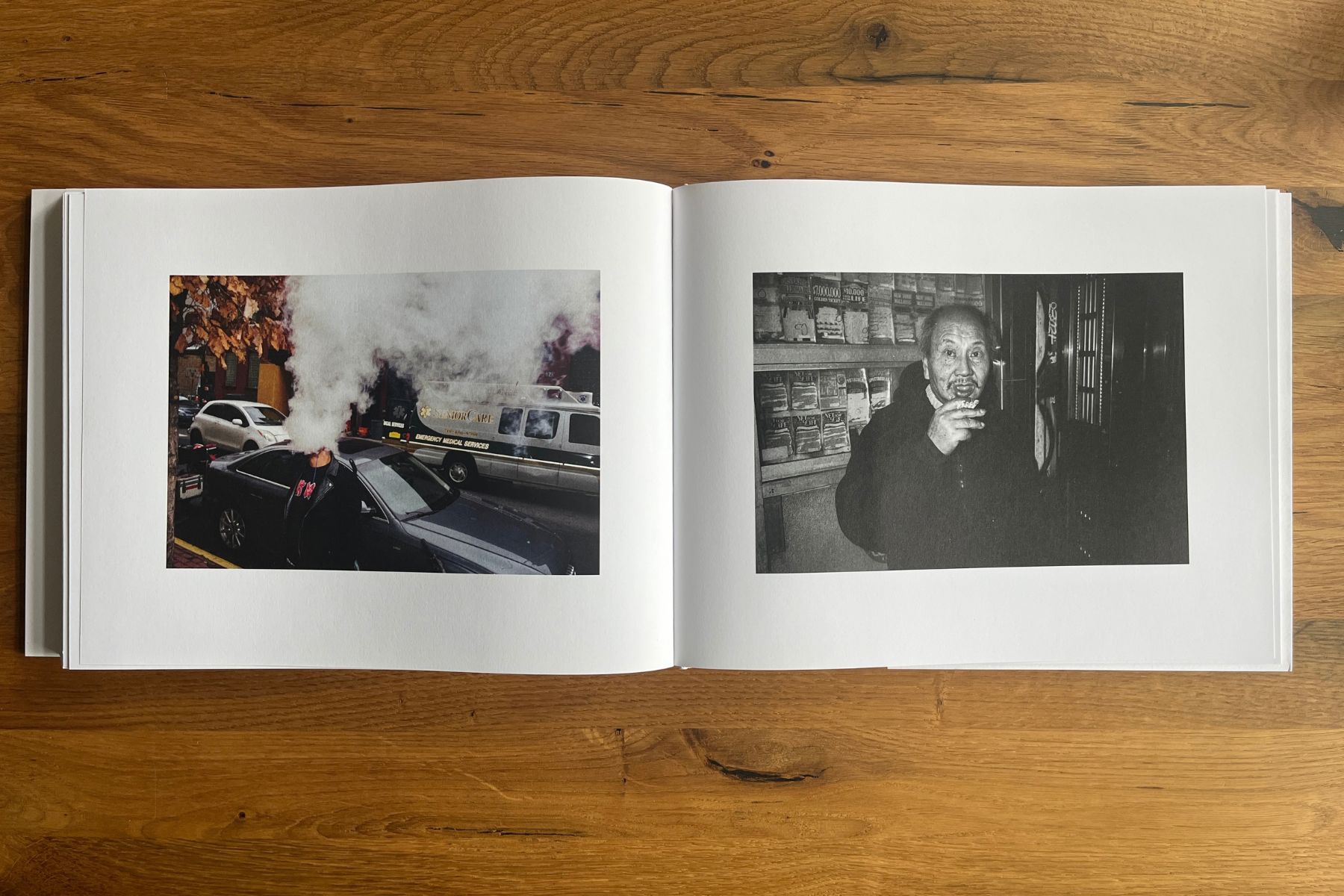
What I found after going through a few times are images that read as banal, images that read as magical, and images that show the magic hiding in the banality. The photos sit in the middle of the page with a thick white border around them, making up about a third of the page. It feels like a diary… what, no, it’s classical street photojournalism… wait, actually… I mean it doesn’t really matter WHAT genre it is. But maybe I’m bringing it up because the mix of genres in the book, which has been praised, to me just seems a little inconsistent. The emphasis on showing Arnold’s New York feels constructed. All photographs are subjective and shaped by the view of the photographer, sure, ladida, we don’t have to open that one up again.
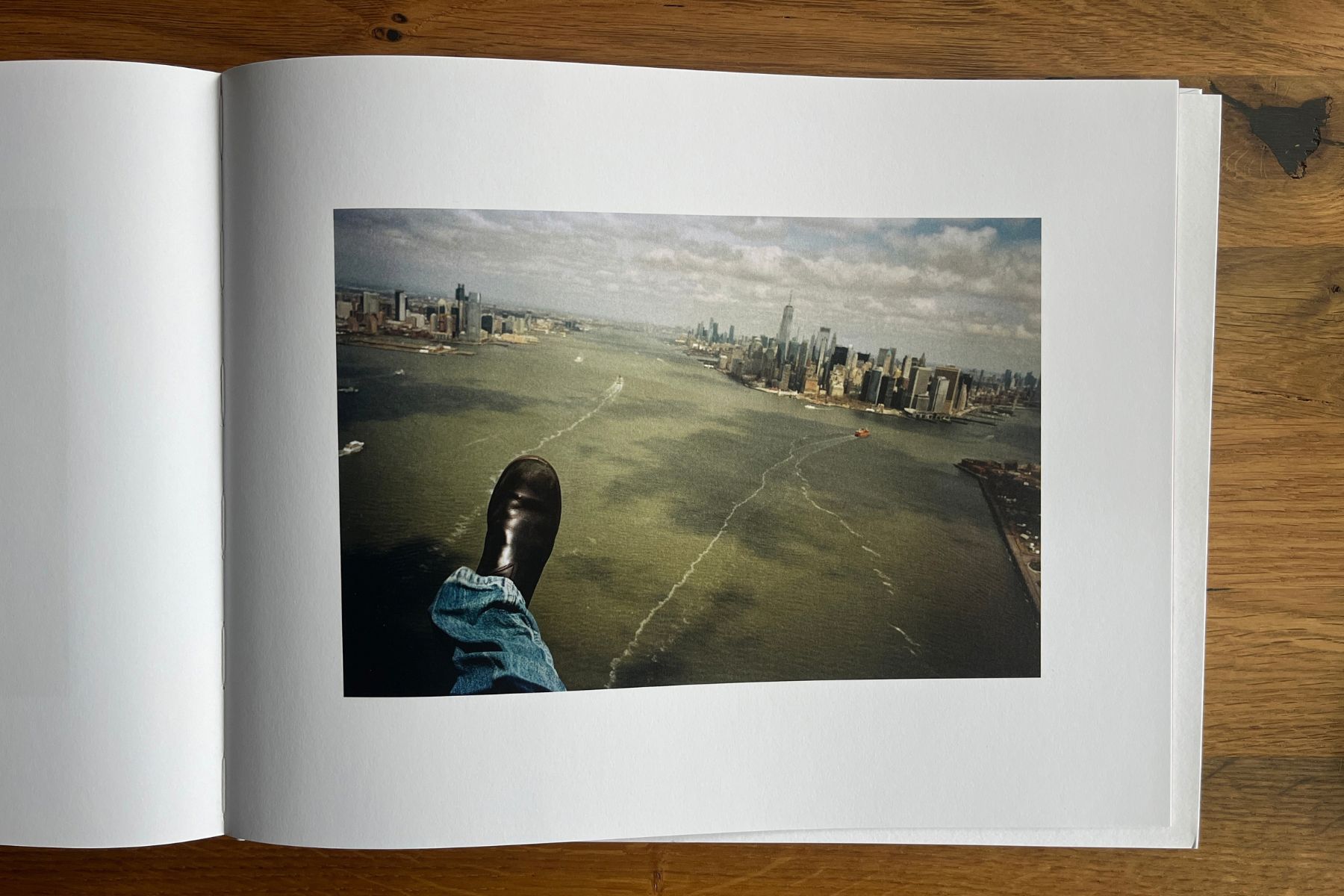
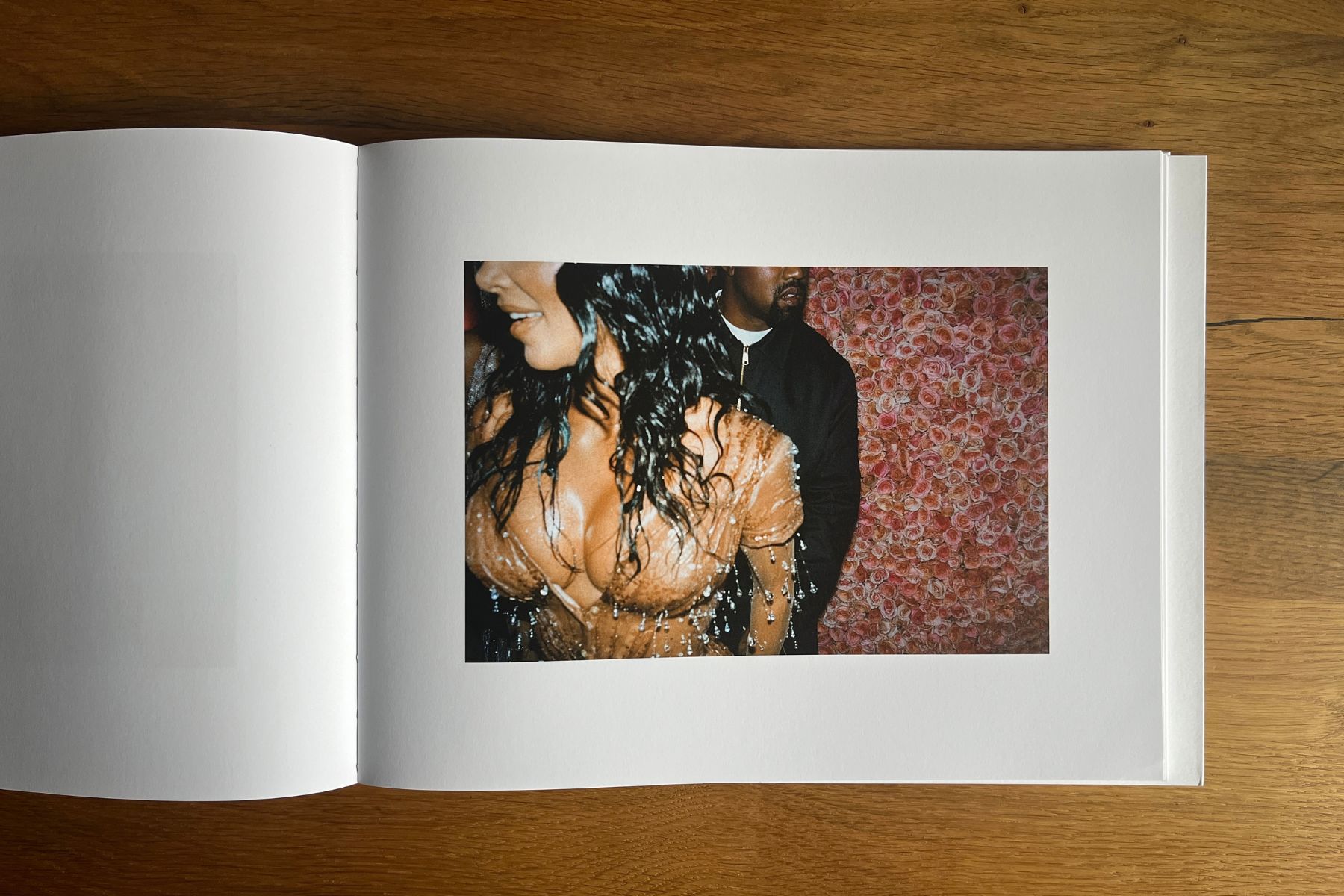
Now to the nice things. It made me cry, okay, it did. Did I dream about one of the images? Yes (the one of the boot hanging above New York City skyline if you care). What he does well is he’s not scared to turn the camera at people. Some situations are shown where I ask myself “how the hell did he get in there”. He also plays with pop culture well — the intimate moment of a late Angus Cloud lighting someone’s cigarette, a picture of Alex Consani mid-bite, the portrait of Kim and Kanye where he chooses to cut off their heads.
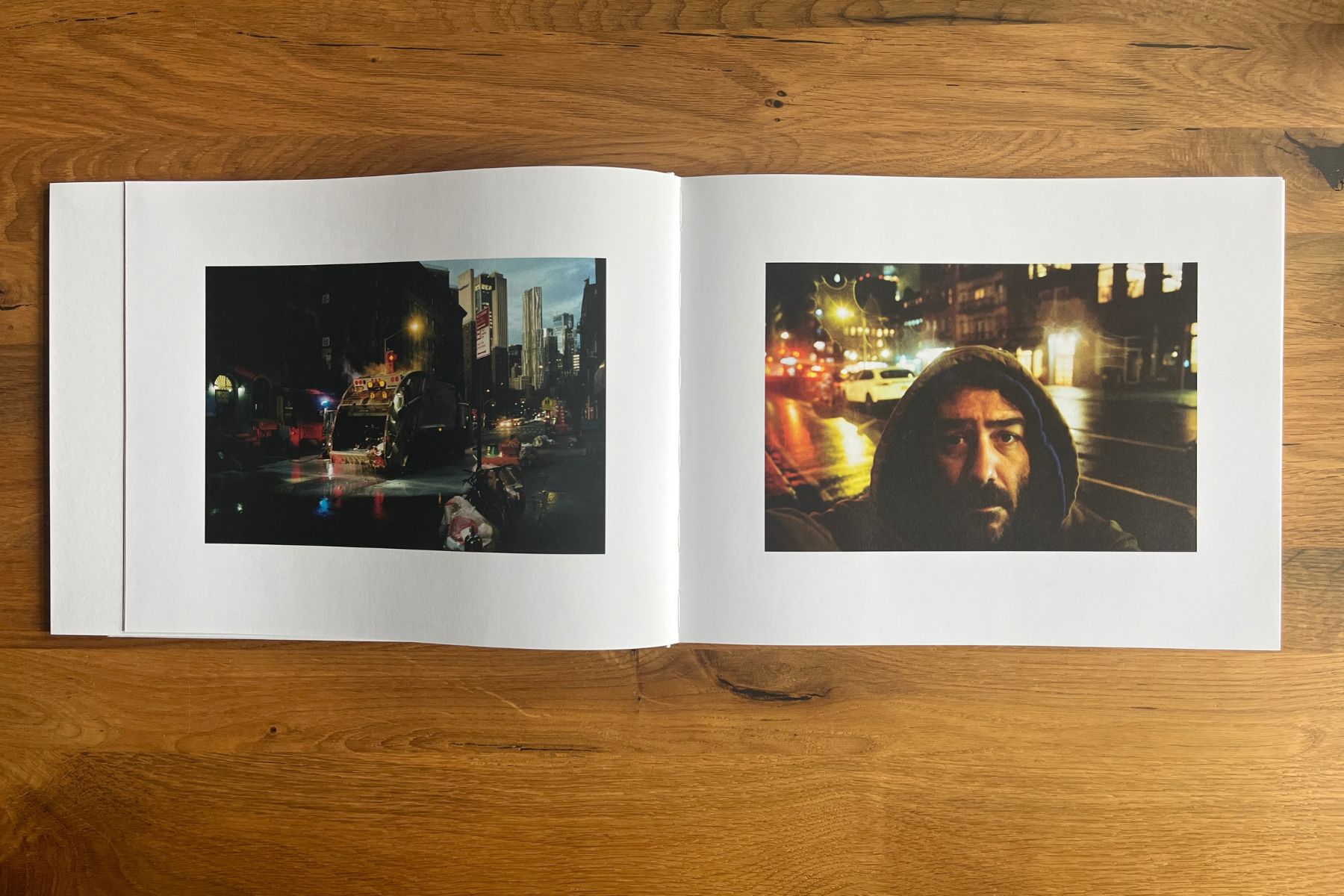
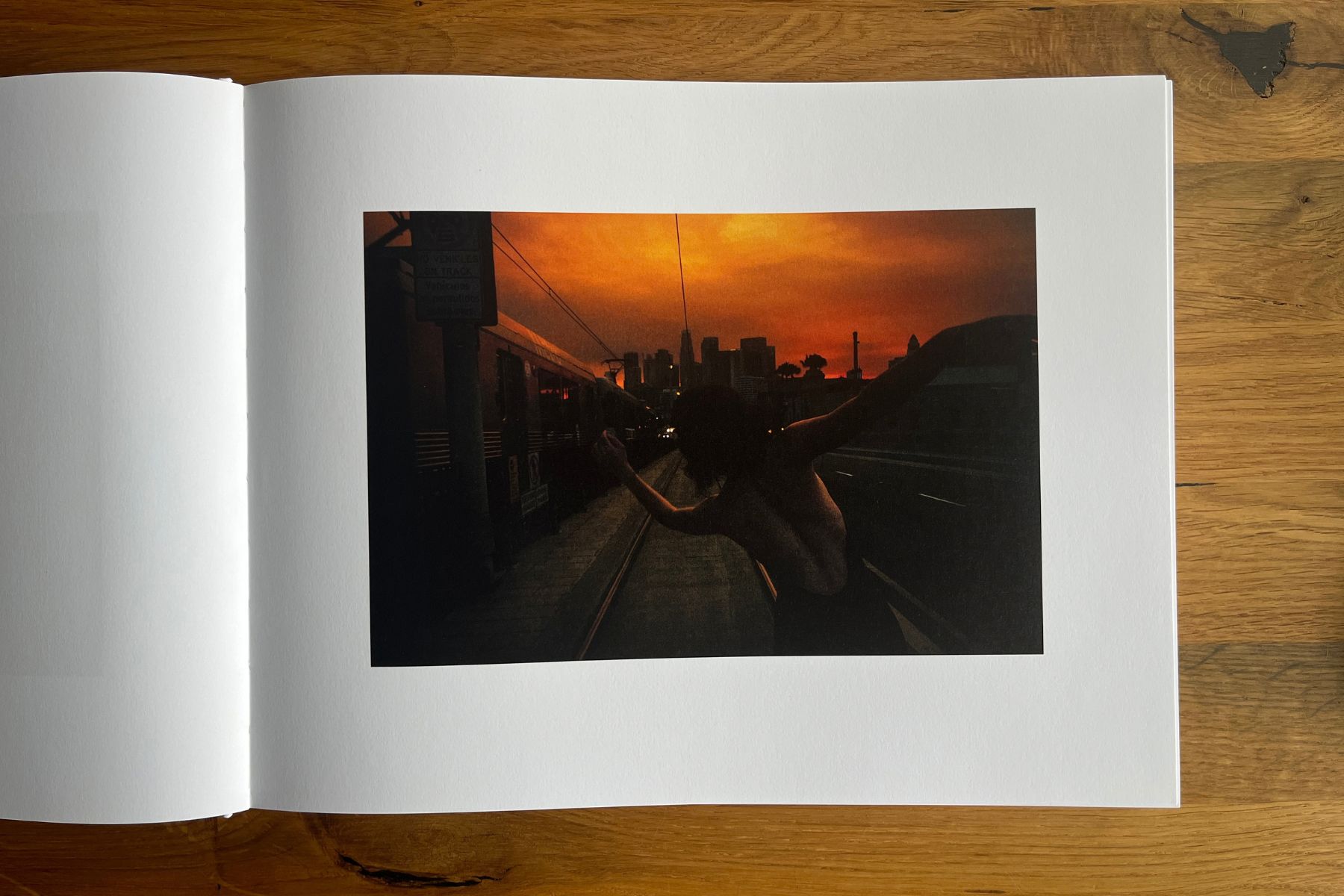
Now to some magic moments: There’s the second page after the title, the litter truck — cinematic, and even though it’s pretty obvious what it is, the moment feels out of this world. One of my favourite photos is the badger hand coming out of the toilet. A lot of the work leans towards coming of age too — couples kissing on the subway, a middle finger toward New York rooftops, or a car parked in the middle of nowhere with headlights on, and last but not least a bike stopping mid road during heavy rain whilst sun peaks through the clouds.
I have read a fair bit about this book, about the process of collaboration between him and Sarah Chaplin Espenon from Loose Joints, the process of handing over most of the responsibility of sequencing his masses of pictures. The sequencing I don’t fully get, the choice of paper I don’t fully get either — but I do see the clear nod to Robert Frank’s The Americans, and there’s even a picture of him (is it really him?) in there. Maybe with a bit more of a romantic twist. Generally one finds lots of references toward the hero’s of New York street photography, like the woman photographed from behind on the subway, echoing Lee Friedlander shadow self-portrait.
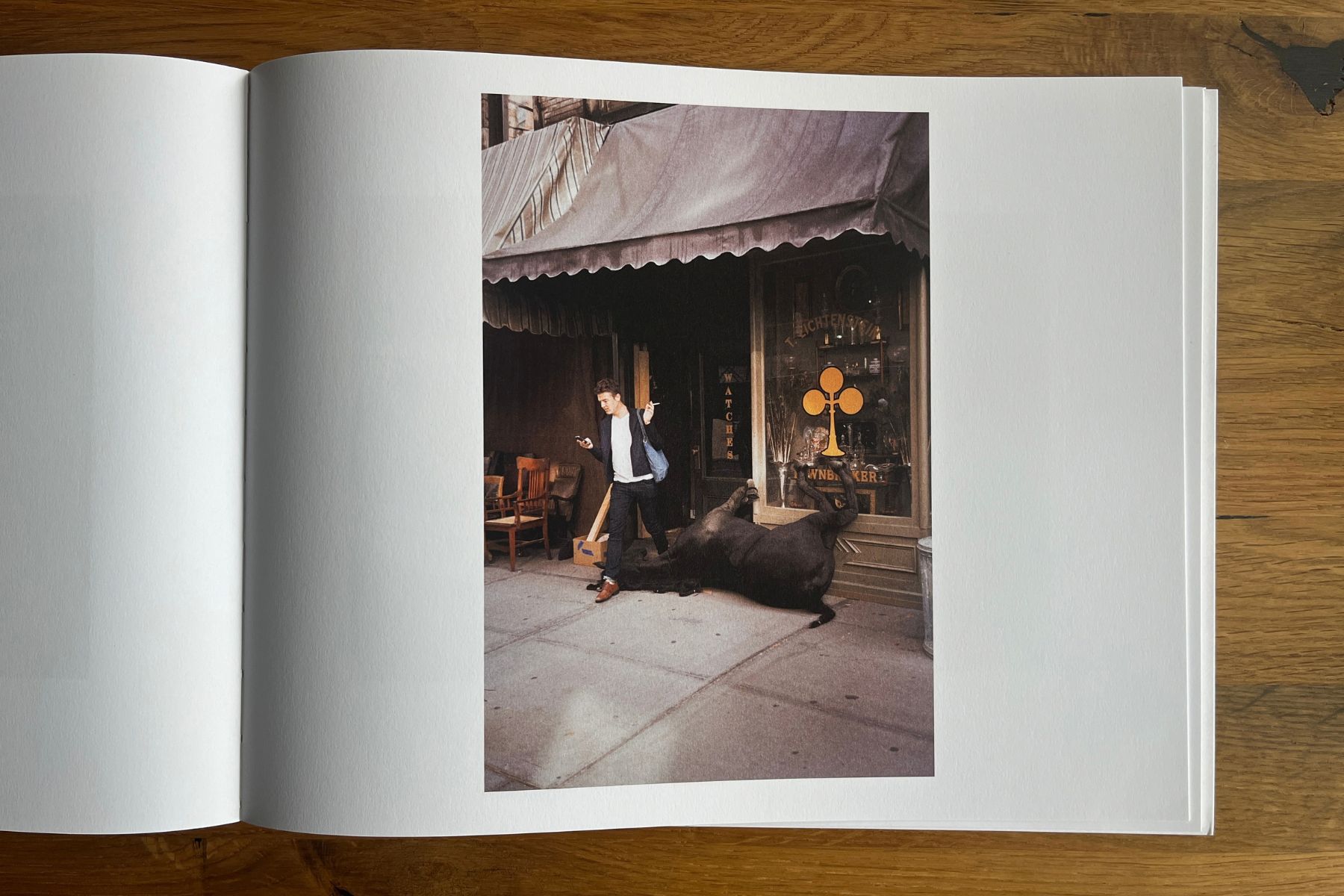
Even though this project doesn’t fully add up to me as it stands now, Arnold has an unmistakable talent for THE moment. He told AnOther Magazine that his job is walking around, camera always with him. Masses and masses of images get produced, like a detective hunting for the right one. Some of the images feel unpretentious, which we can relate because we have ALMOST taken a photo like this on our point and shoot once. We see Arnold’s work as something we could pull off ourselves, appreciating the mundane: a guy carrying a piano, a portrait of a sleepy, drowsy, dreaming woman in red light, a ghost behind a tree. Probably a reason why it works so well on Instagram.
Some of the work does fall into the cliché, like people kissing on the underground — though I’ve never been to New York, so who am I to judge? Some of it also veers advertiser-y to me, which, you could argue, did he coin that look? Possibly. Or maybe it is what Martinez from Aperture calls New York folklore. Does the project fully make sense to me in the book form it is now? No. Have I read about it a lot and looked at the images very closely? Yes. And maybe it’s sometimes more important than actually liking a work, understanding why you just don’t. And to be fair here, I like it more than I initially thought I would.

There’s also this bigger question nagging at me: what is this reviving fascination with the American man and street photography? Are we just craving work that represents America in its current state, walking in the footsteps of someone like Robert Frank? Are we just longing for someone to deliver proof of the everyday madness?
In the end to me the book feels like a compromise, built as one that will sell well — though maybe that’s just my view, maybe I just don’t gravitate toward street photography and my scepticism of men unsolicitedly photographing people on the street got the better of me. Either way, whatever my hesitations, Loose Joints pulled off what they set out to do and sold a LOT of these.
If you are interested in classic American street photography, luckily most of the staple books have been reprinted for a relatively affordable price. I would suggest looking at (obviously) Robert Frank’s The Americans, the work of Vivian Maier and I highly recommend the reprinted catalogue Arbus, Friedlander, Winogrand from the infamous New Documents exhibition in 1967.
Your Are What You Do by Daniel Arnold is published by Loose Joints. through to www.loosejoints.biz