
The more digital and fast-paced photography becomes, the more many photographers crave a more intentional approach to making images. You take a shot, check the screen, adjust your settings, and produce hundreds of images in a short amount of time. But what happens when you let go of some of that digital control and start shooting film again? Analog photography is making a comeback because it offers a different way of experiencing the photographic process. You work with film, limit the number of exposures, and pay closer attention to light, composition, and the moment itself. It’s not just about nostalgia or the trendy film look. Film photography represents a conscious choice, a hands-on approach to the craft, and a visual language that can stand out from the uniform look of digital images. If you want to develop your photographic style and establish a clear position in the photography industry, it’s worth taking a closer look at what analog photography can offer.
Shoot Film and Be in the Moment
At the symposium Between Hype and Oblivion, hosted by the German Photography Council, photographers discussed why analog photography is becoming increasingly popular with younger generations. One particularly interesting perspective came from a professor at HAW Hamburg and a member of the Ostkreuz photographers’ agency, who presented findings from a survey of students. Many respondents deliberately choose to shoot film, not because they lack access to digital technology, but because they value the process. When you shoot with an analog camera, you can’t check the result on a screen after every exposure. You stay more present with your subject, pay closer attention to light and expression, and focus on what is happening in front of your camera. This can make a real difference in portrait photography. You don’t constantly interrupt the connection, immediately correct every perceived flaw, or rush your subject through the experience. Instead, you give the person in front of your lens more room to express themselves. You select and evaluate your images later, when you review your negatives or scans. This can bring a greater sense of calm to a shoot and help you make clearer decisions. The same applies to analog self-portraits: the time between taking the picture and seeing the result can give you a different perspective on your own image. You’re less focused on optimizing every shot immediately. In this way, analog photography changes more than your equipment or technique, it changes how you work. It helps you experience the photographic moment more consciously and refocus on the subject itself.
Embrace Film Grain, Texture, and Happy Accidents
Explore the Workflow Behind the Image
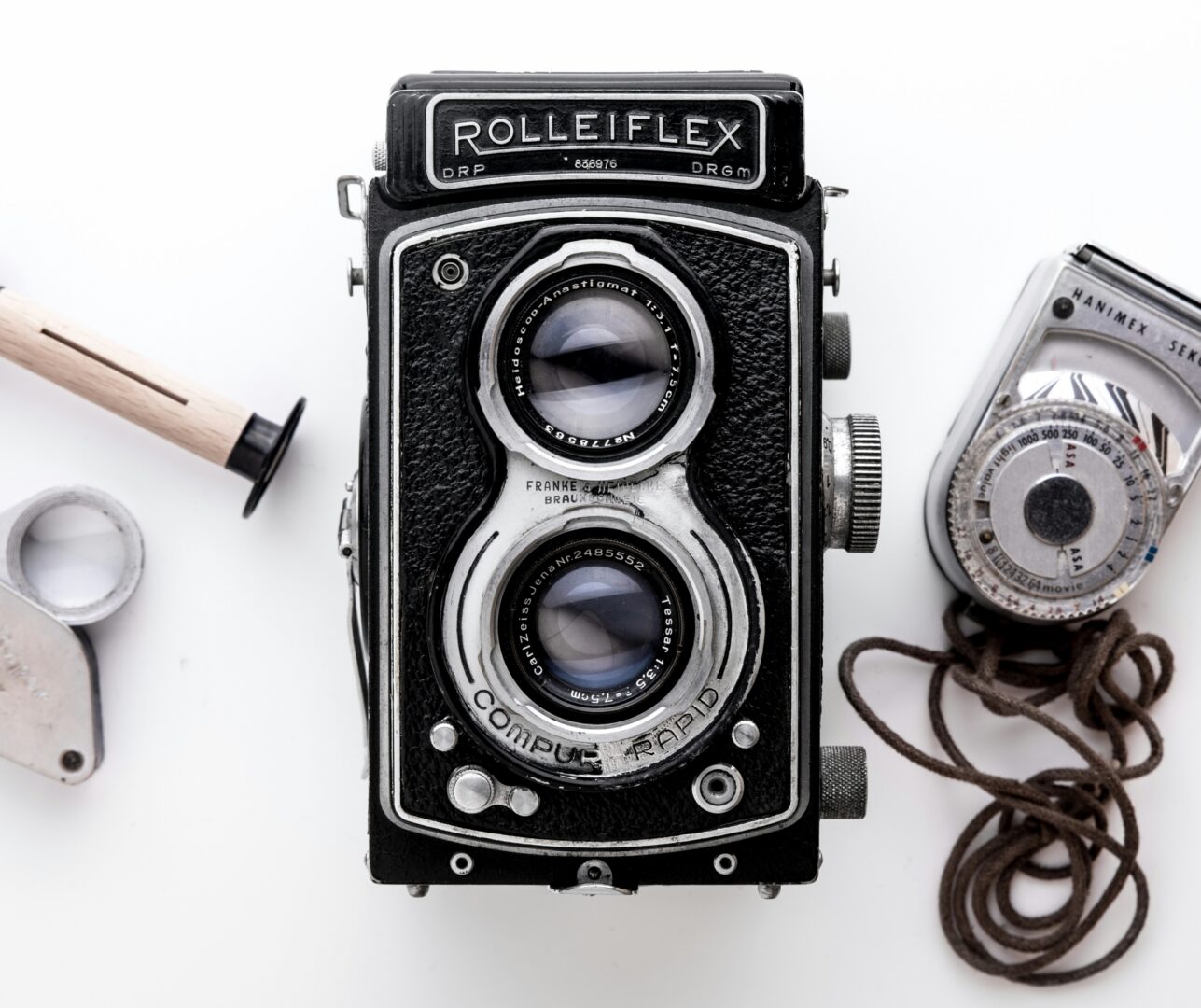
When you shoot film, the process involves much more than pressing the shutter. Choosing your film, exposing it, developing it, reviewing negatives, making contact sheets, or creating scans, all of these steps are part of analog photography. The limited number of exposures influences your decisions before you even take the picture. You think more carefully about your subject, the light you need, and the right moment to press the shutter. Instead of sorting through a massive digital shoot afterward to find the strongest images, you work more intentionally from the start. This can improve your editing and sharpen your photographic eye. Of course, shooting film isn’t automatically cheaper or more efficient. Film, processing, and high-quality scans all cost money and need to be factored into your production budget. In return, you experience the entire creative process more fully. At the symposium, the owner of Khrom, a Hamburg specialty store for analog photography that sells film and cameras and offers lab services, put it this way: “In analog photography, the final result is only half the reason to shoot film. The other half is the journey that gets you there.” Archiving works differently, too. Film negatives and prints are tangible objects that can be stored independently of digital file formats, although they need appropriate protection and storage conditions. Digital scans can complement your analog workflow, especially when you need to deliver images to clients or publish them on websites and social media. You don’t have to choose between analog and digital. You can embrace the tactile and creative qualities of film photography while still taking advantage of digital editing and distribution.
Make Analog Photography Your Signature
Recap
- Explore analog photography and discover what shooting film can bring to your visual style
- Experiment with analog cameras, color film, and black-and-white film to develop your signature look
- Shoot more intentionally by paying close attention to light, composition, and timing
- Combine film photography with digital scans to create a flexible, professional workflow
- Stand out with a distinctive analog look and a clear creative concept