Choosing your own images for a portfolio or website can be surprisingly difficult. Maybe you know the feeling: Which images are really relevant? Which ones work well together? Which ones tell a strong story? When you have a large number of images to choose from, the selection process alone can feel overwhelming. And because you are emotionally attached to your own work, it is often hard to step back and make a clear, less subjective choice, especially when selecting images for potential clients.
For many photographers, combining different subjects in a creative and visually appealing way is a real challenge. But a topic or story only becomes truly engaging when it is told in a bold and unexpected way. Once you let go of chronological order and familiar categories, your edit becomes much more dynamic, and your story becomes more compelling.
Images Are Not Loners
It is true that “a picture is worth a thousand words.” Instagram proves that every day. But which images actually create interest? Which ones stay with us? The answer lies in the selection and sequencing. Your work gains depth and meaning when you think in series rather than in single images. One image may be beautiful, but on its own it often says little about what you are exploring as a photographer or what you want to express through your subject.
That expression is exactly what gives your work its emotional, creative, or commercial value. Apart from advertising photography, where single images are sometimes commissioned, personal projects and many editorial stories rely on a serial approach, and on the way images relate to each other and interpret a theme.
Look at the Bigger Picture
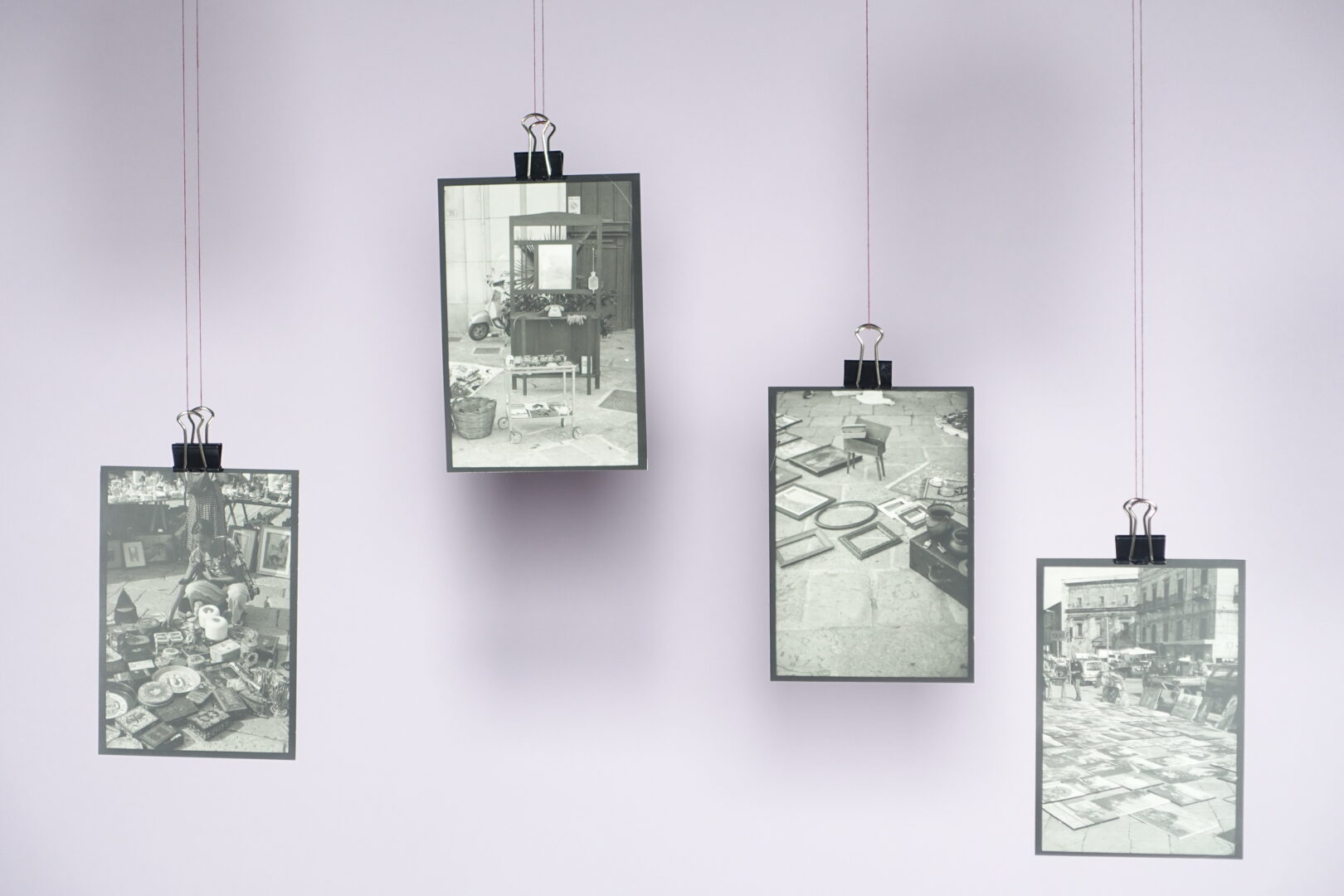
A large part of my work with photographers involves editing images for their portfolio or website. I often like to do this in a tactile way, using postcard-sized layout prints. Photographers are usually very close to their own work. Sometimes they even talk themselves out of using their strongest images. At the beginning of a session, photographers show me their preferred selection and lay out the prints. Very often, the selection does not have the impact it could have. Not because the images are weak or the subject is uninteresting, but because the edit is too narrow, too similar, or too safe. There are no visual surprises. The perspective never changes. The distance to the subject stays the same. Or the story is told in a predictable, chronological way.
Here is an example: A photographer had selected three variations of the same portrait. Shown like that, the images would not work well in a portfolio or on a website — they were too repetitive. But during the same shoot, she had also photographed the person’s surroundings: rooms, architecture, personal objects, and small details. So we selected some of those images and combined them with one portrait to create a series of eight images in both portrait and landscape format. We moved the prints around until the sequence felt right. In the end, we discovered that the portrait and the space created a beautiful connection. Together, they formed a strong opening image pair and invited the viewer into the person’s story, revealing more about their character and context.
Less Is More
Do you ever look through print magazines? Good magazines are one of the best places to study how images can clarify a topic or tell a strong visual story. For printed photo essays, picture editors and creative teams choose the images that best carry the subject and support the text. “As much as necessary, as little as possible” is often the guiding principle, and not only because of limited space. Studying print magazines is a great exercise for improving your own image selection and sequencing. Even though truly strong photo spreads have become less common, some magazines still do this beautifully. Taking good photographs is the foundation. But editing is an art in itself. It requires you to mentally step away from your own images and give them a sequence, rhythm, and interpretation. Depending on your edit, the same images can tell completely different stories.
Recap
- Think in image pairs, not in single images
- Look at all perspectives — from close-up details to wide shots. The combination is what makes the story interesting
- Mix up your selection. Do not rely on chronology
- The art is in leaving images out. Tell the story with confidence, and allow for gaps
- Avoid duplicates and repetitions
- Strong stories can emerge from images that were not originally connected, such as food and architecture, or landscapes and still lifes
- Two contrasting images are already enough to create a small story.
- Edit with layout prints
- A strong series starts with the strongest image: the key visual that best captures your story and works as its symbol
By Silke Güldner
Silke Güldner is a coach and consultant for photographers and creatives.